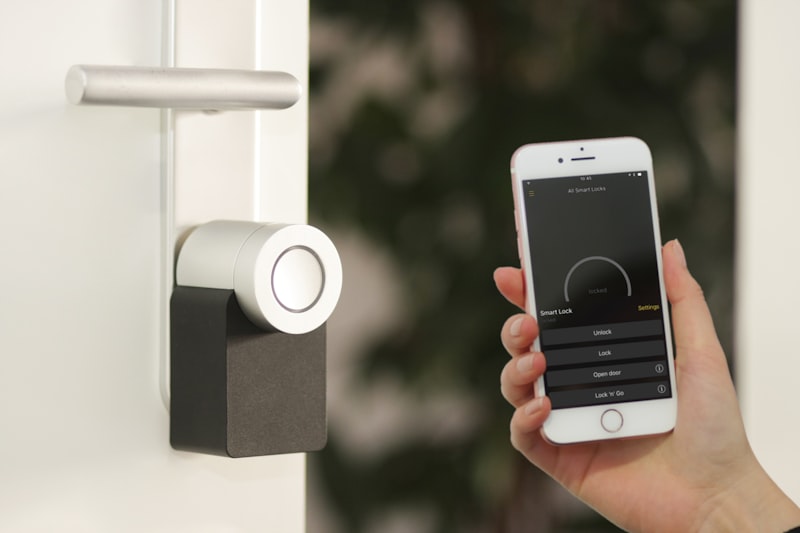
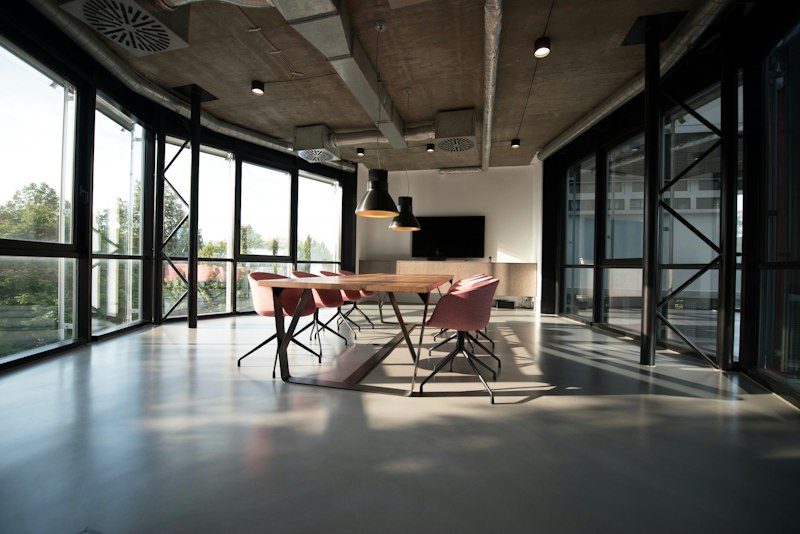
So we just wrapped up a project in Crested Butte that took us the better part of a year. 12,000 square feet, five bedrooms, a guest house, private cinema, curated audio, automated lighting and shades, security, climate control—the works. And it sits at about 8,200 feet elevation, which adds some fun challenges you don't get in Denver.
People always ask us what goes into these projects. So here it is—the real story, complete with the stuff that went wrong and what we learned.
The Challenge: Part-Time Living at Altitude
First thing to know: this isn't a primary residence. The owners live in Dallas and spend maybe 8-10 weeks a year here. So the system has to work flawlessly when they're there, but it also has to keep their $8 million property from freezing solid when they're not.
That means remote monitoring is critical. We're not just talking about being able to turn the lights on from your phone. We're talking about sensors that will wake us up at 2 AM if a pipe is about to freeze, or if someone's broken in, or if the internet is down and the heating system can't call home.
And altitude? Yeah, that's a thing. Electronics don't love thin air and extreme temperature swings. We can't just use off-the-shelf consumer gear and hope it works. Everything has to be spec'd for high altitude and tested for reliability.
Phase One: Infrastructure (AKA The Boring But Crucial Stuff)
We got brought in early—before drywall went up. That's when we can do our best work.
The first few weeks were all wiring. Miles of it. Cat6 everywhere. Speaker wire in every room. Conduit for future upgrades. Separate circuits for AV equipment because you can't have your private cinema sharing power with the kitchen.
The network closet ended up looking like something out of a data center. Enterprise switches, a proper firewall, battery backup, redundant internet connections (because Comcast goes down, and when it does up here, you're offline until they feel like fixing it). We even ran a backup cellular connection that automatically takes over if the primary internet fails.
Is this overkill for a vacation home? Maybe. But when you're 1,200 miles away and your pipes are about to freeze because the heating system can't connect to the cloud-based thermostat? Not so much overkill anymore.
The Theater: Where Things Got Interesting
The private cinema was the centerpiece of this project. 15 feet wide, tiered seating for eight, 4K projection, Dolby Atmos surround sound. The client wanted something that would impress his friends from LA—which means it had to be legitimately good.
We went with a Stewart Filmscreen motorized screen (133 inches diagonal), Sony 4K laser projector, and a full Triad speaker package. For the technically inclined: seven channels at ear level, four height channels for Atmos, and two 15-inch subwoofers that shake the floor without rattling the windows.
The challenge? The room is basically a concrete box surrounded by solid stone on three sides. Great for sound isolation, terrible for acoustics. We brought in an acoustician who spent two days taking measurements and drove everyone nuts playing test tones at 3 AM.
End result: custom acoustic panels that look like abstract art but are actually doing real work taming the reflections. The room sounds fantastic. Worth it.
Lighting: More Complicated Than It Sounds
For lighting, we used Lutron throughout. It's not the cheapest option, but it works, and it keeps working. We've got some systems we installed 15 years ago that are still running perfectly. Can't say that about a lot of the newer smart home stuff.
Every room has multiple scenes programmed: daytime, evening, entertaining, movie mode, etc. You can control it all from your phone, but there are also physical keypads because sometimes you just want to press a button without pulling out your phone and opening an app.
One thing that surprised the client: we talked them out of putting lights on every single dimmer. Some lights should just be on or off. Your closet doesn't need 15 dimming scenes. Neither does your laundry room. This stuff adds up, and more complexity means more things that can break.
Motorized Shades: Because Sun at 8,000 Feet Is Intense
The house is basically all glass on the south side. Gorgeous views, but at this elevation, the sun will destroy your furniture and blind you if you're not careful.
We installed motorized blackout shades in every bedroom and sheer shades in the living spaces. They're tied into the lighting system and programmed to automatically lower during the hottest part of the day in summer, then raise again in late afternoon.
Best part: the shades automatically raise if the temperature drops and the sun is out. Free passive solar heating, and it happens without anyone thinking about it.
The Stuff That Went Wrong
Let's be honest: no project goes perfectly. Here's what didn't work the first time:
The Internet Situation: Original plan was cable for primary, LTE for backup. Cable turned out to be way slower than advertised (shocking, I know), so we upgraded to fiber. That meant rerunning the line from the street, which took three weeks because you can't just dig whenever you feel like it in Crested Butte.
The Subwoofer Incident: We had the subs positioned in what should have been perfect spots according to the acoustic modeling. They sounded terrible. Moved them three feet forward. Still terrible. Finally ended up in corners, which isn't textbook perfect but sounds way better. Sometimes the room just does what it wants.
The Thermostat Wars: Client wanted Nest thermostats because that's what they have at home. We pushed back—Nest doesn't play nice with complex heating systems, and this house has radiant floor heat, forced air, and baseboard heaters. They insisted. Two months later, we ripped them out and installed proper commercial thermostats. Live and learn.
Remote Monitoring: The Unsung Hero
Nobody gets excited about remote monitoring. But it's maybe the most important part of the system for a vacation home.
We've got sensors everywhere: temperature, humidity, water leak detection, door/window contacts, motion sensors, cameras. All of it feeds into a central monitoring system that can alert the homeowner, alert us, or both.
The system knows the expected patterns. If nobody's been there for a week and suddenly the front door opens at 2 AM, that's a problem. If the temperature in the basement drops below 40°F, that's a problem. If the internet goes down and doesn't come back up in an hour, that's a problem.
We've caught frozen pipes before they burst, responded to break-ins in real time, and remotely rebooted flaky equipment. It's not glamorous, but it saves the day more often than you'd think.
The Final Walkthrough
Once everything was installed and programmed, we spent two days walking the owners through every system. How to use the remotes, how to adjust lighting scenes, what to do if something goes wrong.
We also left them with a binder (yes, an actual paper binder) with every password, every warranty, every instruction manual, and a complete wiring diagram. Because three years from now when they want to make a change, they're going to need to know where everything is.
They spent their first night in the house watching a movie in the theater. Sound was perfect, lights dimmed on cue, the whole thing worked exactly as planned. That's the moment that makes all the earlier headaches worth it.
What We'd Do Differently
Every project teaches us something. Here's what we learned:
- Push harder on the network infrastructure early. We knew the internet would be an issue, but we should have been more aggressive about getting fiber installed before construction was done.
- Budget more time for acoustics. The theater took longer than expected because we had to iterate on speaker positioning. Next time, we'll build that into the schedule.
- Be more selective about client requests. We should have said a harder "no" to the Nest thermostats. Would have saved everyone time and money.
By the Numbers
- Project Duration: 11 months from first meeting to final walkthrough
- Miles of Cable: Honestly lost count, but at least 10
- Speakers Installed: 47 (including outdoor speakers around the pool)
- Motorized Shades: 32
- Lighting Loads: 143 (yes, really)
- Network Drops: 35
- Trips to Crested Butte: 23 (not complaining)
- Times We Thought We Were Done: 4
- Times We Were Actually Done: 1
The Real Takeaway
Projects like this are why we do what we do. Yeah, it's fun to install $200,000 worth of technology in a beautiful mountain home. But the real satisfaction is when it all works together seamlessly, and the client forgets they even have a smart home because everything just happens automatically.
That's the goal. Not to show off the tech, but to make it invisible. The best smart home is the one you don't have to think about.
And when our clients are in Dallas and their Crested Butte home is quietly maintaining itself, keeping the pipes from freezing, keeping burglars out, and ready to welcome them back at a moment's notice? That's when we know we did the job right.
Working on a mountain home project? We'd love to hear about it. Fair warning: we'll probably tell you if your ideas won't work at altitude. But we'll also tell you what will.
Project Gallery
Theater Installation Photo
Equipment Rack Photo
Lighting Control Panel
Exterior View
King Systems Team
Colorado's luxury technology integration specialists since 2002. We design, install, and support smart home and commercial AV systems across Denver Metro, Crested Butte, Vail, Crested Butte, and Steamboat Springs.